Smiling Halfway, Living Fully:
Layla’s Journey with gMG
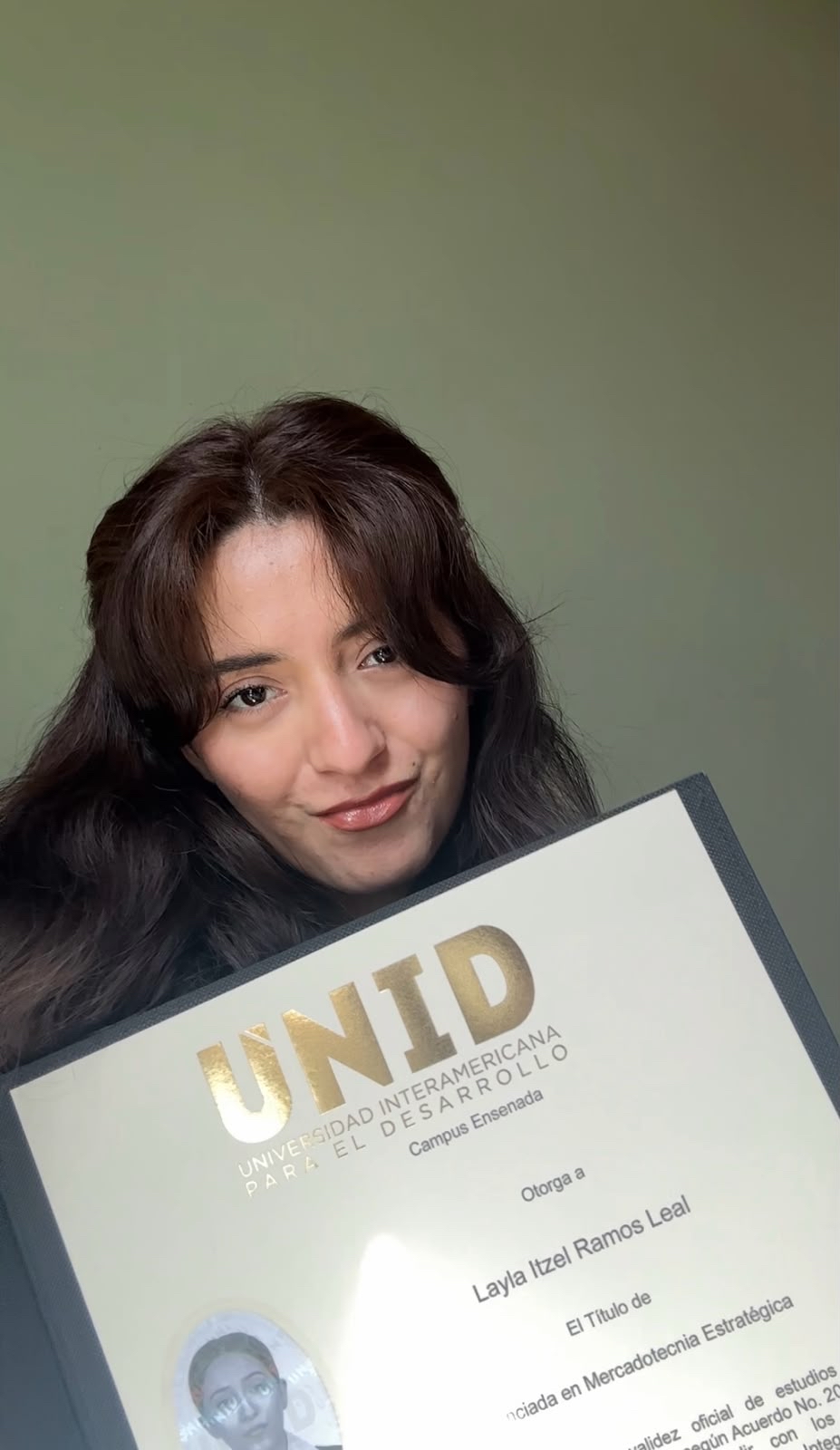
Layla, from Baja California, was 18 when the first symptoms appeared: unusual leg fatigue, then facial weakness that made smiling feel forced. She was diagnosed with myasthenia gravis about five months later. Now, nearly eight years on, she shares her experience through her platform @sonriendoamedias and works as a community manager, living a life different from the one she imagined but full of purpose.
A Life in Motion
Layla is originally from Baja California, Mexico. When she turned 18, her life was full of movement. She attended dance classes, enjoyed going out with friends, and lived at a fast-paced rhythm driven by adrenaline and constant stress. Nothing suggested that, within a few months, she would have to learn to live in a completely different way.
The First Signs
The first warning sign came quietly. One day, her legs felt extremely tired, as if she had spent hours at the gym, even though she had not done any unusual physical activity. She did not think much of it at the time. Shortly after, she noticed weakness in one side of her face, which made smiling feel unnatural. Her smile became forced, and she began to feel insecure about it.
When she started university, the symptoms intensified. Double vision, drooping eyelid, nasal speech, and difficulty swallowing made it clear that something was wrong. Eating became challenging; at times, she did not have enough strength in her lips to keep food in her mouth. It was then that she and her family decided to seek answers.
Finding a Name
Although some doctors initially suspected facial paralysis or vitamin deficiency, the diagnosis came relatively quickly. About five months after her first symptoms, she learned she had myasthenia gravis.
“It was a bittersweet moment,” she recalls. On one hand, finally having a name for what she was experiencing brought relief. On the other, hearing that it was a chronic condition was devastating. No one in her family had ever heard of myasthenia gravis, and at that time, finding reliable information was much more difficult than it is today. Fortunately, the doctor who delivered the diagnosis also gave her hope, explaining that with proper treatment, it was possible to live a relatively normal life.
Learning to Grieve
Accepting this new reality did not happen overnight. The grieving process lasted nearly three years. She was very young and had many dreams when she realized her life would no longer follow the path she had imagined.
How the Illness Reshaped Her Days
The symptoms deeply transformed her daily life. Difficulty swallowing caused significant weight loss; nasal speech made it hard to participate in presentations or conversations at university; leg weakness limited her independence; and breathing difficulties became one of her greatest fears, especially because myasthenic crises tended to occur at night.
Beyond the physical impact, the illness deeply affected her self-esteem. Because she could no longer smile naturally, she avoided photos and social gatherings. She developed panic attacks during university and went through a period in which she preferred staying at home rather than facing others’ attention.
Living with the Unpredictable
Over time, she came to understand that myasthenia gravis is an unpredictable condition. Some days she wakes up with no energy and needs to slowly ease her body into movement. Other factors such as stress, heat, infections, poor sleep, or even her menstrual cycle can worsen her symptoms. What once caused frustration is now met with greater acceptance. When she needs rest, she allows herself to pause. Thirty minutes to an hour of recovery is often enough for her to continue with her day.
School, Work, and Missed Moments
The illness also challenged her educational path. She almost dropped out of university because climbing stairs became increasingly difficult. Ironically, the COVID-19 pandemic allowed her to complete her studies from home. Later, she found a workplace that believed in her and adapted to her needs, allowing her to combine in-person and remote work depending on how she felt.
However, one of the most difficult challenges has been missing important moments with the people she loves. Concerts, birthdays, family dinners, and celebrations have often passed without her presence. “I’ve learned to let go of control and understand that if I couldn’t be there, it was because my body needed to protect itself,” she explains. She also realized that while some friendships faded, others remained with patience and understanding.
The People Around Her
Her greatest support has been her family. Her parents have stood by her in every aspect of the journey—emotionally, physically, and financially. Her brother treats her normally but is always ready to help when needed. Her friends and cousins have learned to respect her pace and continue making her feel included and supported.
Although she does not always feel heard by all medical specialists, she remains hopeful that more personalized treatments with fewer side effects will continue to be developed for people living with autoimmune diseases.
Finding Community
Along her journey, she also found comfort in connecting with others living with myasthenia gravis. At first, Facebook groups helped her realize she was not alone. Later, she created her own social media account, @sonriendoamedias, where she shares her experience, educational content, and messages of support. What began as a personal outlet eventually connected her with people from different countries facing similar challenges.
Today, she works as a freelance community manager and dedicates part of her time to creating content about myasthenia gravis, hoping to turn this passion into a professional path. Every message she receives from someone who feels understood reminds her that sharing her story can make a difference in someone else’s life.
What She Carries Forward
Looking back, Layla recognizes that myasthenia gravis changed the way she understands life. She learned to listen to her body, respect her limits, ask for help without guilt, and stop comparing herself to others. She also discovered that adapting her life does not mean giving up. When walking long distances became impossible, she chose to use a wheelchair. At first, she felt embarrassed, but now she sees it as a tool that allows her to experience the world on her own terms.
To those who receive this diagnosis, she offers a simple but powerful message: allow yourself to grieve, seek psychological support, keep your body moving within your limits, talk to your loved ones, and do not be afraid to ask for help. Above all, remember that the illness does not define your worth.
After nearly eight years living with myasthenia gravis, Layla continues to build a life different from the one she once imagined, but one filled with purpose. She smiles differently now—sometimes only halfway—but lives fully, convinced that even the most unexpected paths can become an opportunity to inspire others.
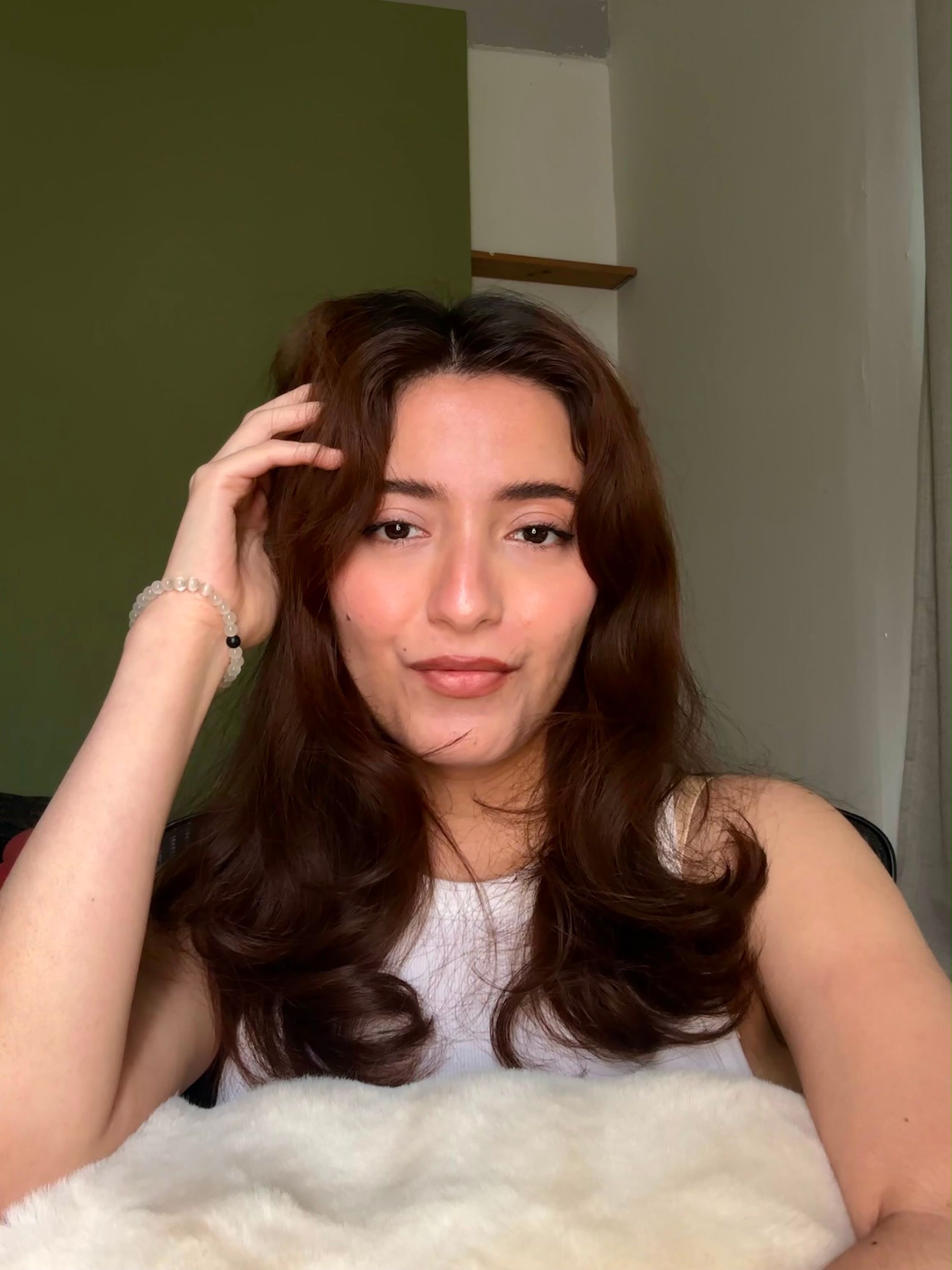 About Layla RamosLayla is from Baja California, Mexico. She holds a degree in Strategic Marketing and currently works as a freelance community manager. She's lived with myasthenia gravis for several years, and at some point decided to start the account @sonriendoamedias to share what living with the condition is really like. She's close to her family, and little by little she's rebuilt her life at her own pace: therapy, physical rehab, and spiritual practices have helped keep her stable, and the community she's found online has become a place where she no longer feels alone.
Related Resources
Curated stories, expert voices, and research all connected to this condition.


