Dr. Arun Rajasekaran on Glomerular Disease: Clinical Trials and Patient Care
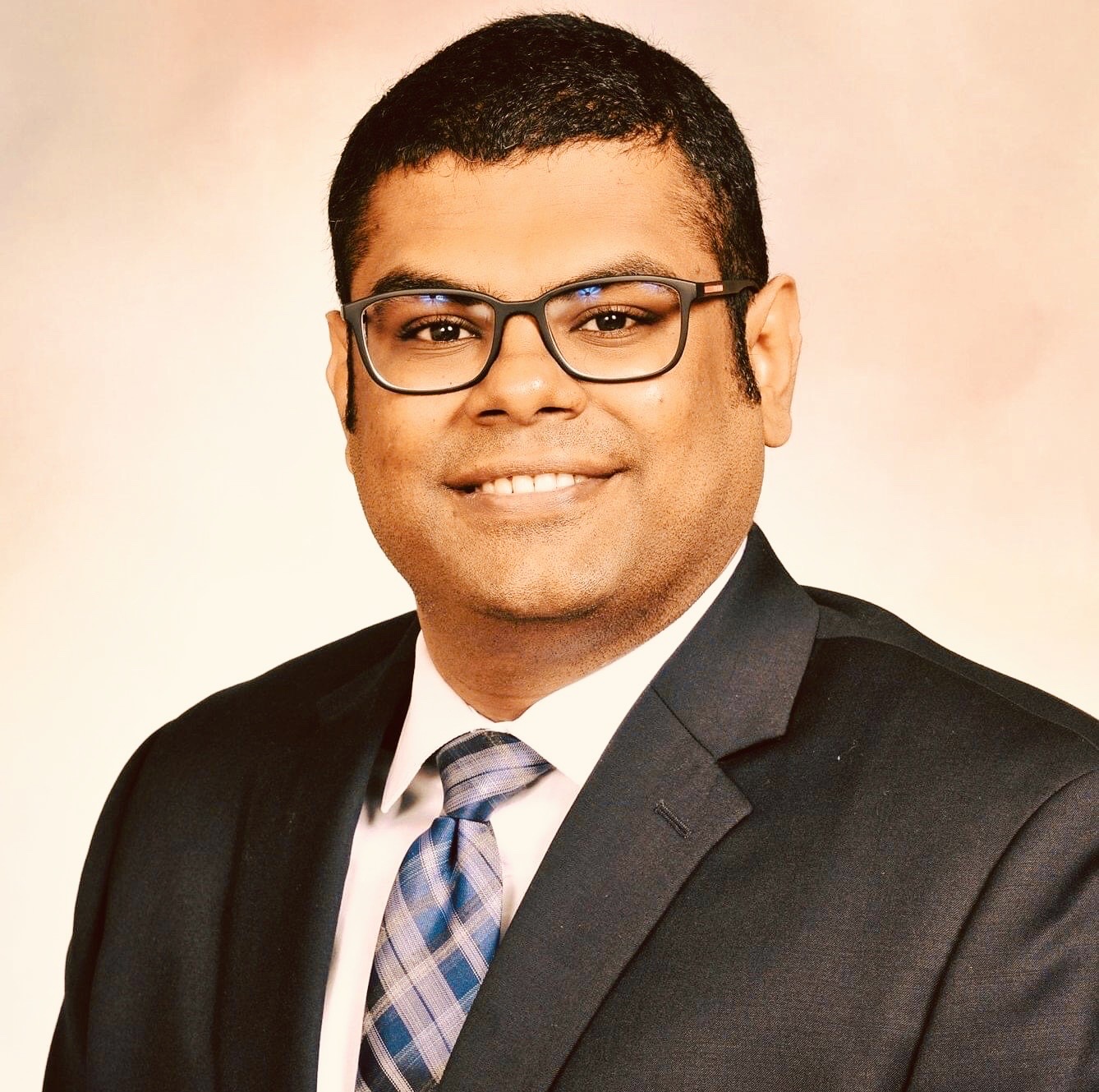
Dr. Arun Rajasekaran, MD, FACP, FASN, FNKF
A Passion for Kidney Health That Started Early
For many physicians, a subspecialty is something they grow into over years of clinical practice. For Dr. Arun Rajasekaran, glomerular disease was closer to love at first sight.
Dr. Rajasekaran identified his calling before entering a formal residency program. During his final year of medical school in India, he traveled to the United States as a visiting medical student. He spent about four months rotating through nephrology, including an intensive three-month research rotation in glomerular disease at Johns Hopkins University.
That experience set his trajectory:
"I realized that I should be doing glomerular disease as a career," he said. "I was very interested in it way before even joining residency. My research focus was glomerular diseases."
He maintained that focus through his internal medicine residency at the University of Central Florida in Orlando. He then completed a nephrology fellowship and an advanced glomerular disease and clinical research fellowship at the University of Alabama at Birmingham (UAB), where he later spent several years on the faculty.
In 2025, Dr. Rajasekaran transitioned into private practice at Renal Medicine Associates in Albuquerque, New Mexico. Today, he co-directs the practice’s Glomerular Disease Center and Clinical Trials Unit, connecting clinical expertise with patient-centered research.
Understanding Glomerular Disease and Kidney Filtration
To understand why these conditions require specialized care, it helps to review basic kidney physiology.
Your kidneys house millions of microscopic filters known as glomeruli. These filters remove metabolic waste and surplus fluid from your bloodstream while preserving vital elements, such as albumin and other essential blood proteins.
What Causes Filter Breakdown?
Glomerular diseases are a group of conditions, many of them rare, in which these delicate filters become damaged. In many cases, the immune system mistakenly attacks the kidney tissue.
When the filters stop working the way they should, protein and blood can leak into the urine. Common symptoms include:
- Swelling (edema), often in the legs and ankles
- Foamy or frothy urine caused by excess protein loss
- Fatigue
Over time, some of these diseases can quietly damage the kidneys and threaten their ability to do their job. IgA nephropathy (IgAN) and primary membranous nephropathy (PMN) are two prominent examples.
The Intersection of Immunology and Nephrology
Ask Dr. Rajasekaran what keeps him fascinated by glomerular disease after all these years, and he lights up talking about the biology.
"The kidneys are a very, very complicated and interesting organ, and glomerular diseases are extremely fascinating," he said. "There's a lot to do with immunology. It's one area of nephrology that involves critical thinking, along with immunosuppression and a strong foundation in immunology. That's what attracts me."
It is that interdisciplinary quality, where kidney physiology, pathology, and immunology meet, that he keeps coming back to. Treating these conditions, he says, increasingly means thinking like an immunologist as much as a nephrologist.
Transforming Glomerular Disease Treatment Through Clinical Research
For much of Dr. Rajasekaran's early career, nephrology saw few new treatments. Kidney clinical trials were difficult to run because they depended on long-term outcomes like kidney failure or the start of dialysis, which can take many years to measure.
That has changed dramatically.
"The last decade in nephrology has been transformative," he said. "The future is very fascinating for this niche area within nephrology."
The Impact of Surrogate Markers
The turning point was the acceptance of earlier surrogate markers of kidney health as meaningful signs that a treatment is working. These include the amount of protein leaking into the urine (proteinuria) and the slope of estimated glomerular filtration rate (eGFR) over time.
Instead of waiting a decade for results, researchers can now learn a great deal in 12 to 24 months. That shift opened the door to a wave of new clinical trials and newly approved medications.
Rethinking the Clinical Trial Experience
Dr. Rajasekaran views clinical trials not as a last resort, but as one of several care options he can offer patients. He also works to clear up a common fear about them.
“Placebo in today's world does not mean a sugar pill” he said.
In many current glomerular disease trials, all participants eventually receive the active treatment through what is called an open-label extension.
"You're not going to be left without treatment," he explained. "You will get treatment at some point, or you may receive it from the beginning."
For him, trials are also how the entire field moves forward. "Clinical trials are the only way to advance science."
Managing Primary Membranous Nephropathy: Why Patience Matters
When guiding patients newly diagnosed with primary membranous nephropathy, Dr. Rajasekaran starts by making the disease understandable. He reaches for plain-language patient education booklets from groups like NephCure and the GlomCon Foundation, and he walks each person through what their kidney biopsy found and what it means for them.
He is honest about what makes membranous nephropathy hard. It is one of the most common causes of nephrotic syndrome. While a few patients do well without immunosuppression, the majority will need tailored immunosuppressive treatment.
"You have to be very patient with this disease," Dr. Rajasekaran advised. "You shouldn't act on sudden bursts of protein in the urine. You have to look at the entire history."
Getting a patient into lasting remission can take a long time, and that is exactly where he sees an unmet need worth pursuing. The treatment landscape is shifting quickly, with newer targeted therapies now being studied. His goal is better, safer, and more tolerable options for the patients who wait the longest.
"We Are in This Together"
What gives Dr. Rajasekaran the most hope is the science itself: newly identified autoantibodies and immune pathways, treatments tailored to the individual patient rather than a one-size-fits-all approach, and real-world data from large community-based private practices like his own feeding back into what the whole field knows.
Yet when asked what he would most want a newly diagnosed patient to hear, he did not reach for any of that. His answer was five words:
"We are in this together."
It is a fitting line from a physician who has spent his entire career choosing to stay close to these diseases and the people living with them.
At PatientWing, our mission is to make clinical research accessible to every patient. If you have questions about enrollment options or want to learn about enrolling studies for primary membranous nephropathy, please contact us directly.
Frequently Asked Questions (FAQs)
What is the GlomCon Fellowship?
The GlomCon Fellowship is an international virtual program that gives nephrologists and researchers advanced training in kidney biopsy interpretation and glomerular disease management.
What is another name for glomerulonephritis?
Glomerulonephritis is often called nephritis. It is one type of glomerular disease, the broader term for conditions that damage the kidney's filters. Depending on symptoms and pathology, these conditions are often grouped as nephrotic or nephritic syndrome.
Does placebo in a kidney disease clinical trial mean no treatment?
Not necessarily. In many current glomerular disease trials, participants continue their standard care, and many studies include an open-label extension where all participants eventually receive the investigational treatment. Each study is different, so ask the study team how its design works.
What is the highest degree in nephrology?
The highest clinical credential is board certification following an accredited nephrology fellowship (after an MD/DO and residency), though academic specialists may also pursue advanced research degrees like a PhD.
How do I look for a kidney disease clinical trial?
You can search active studies directly on PatientWing condition pages or connect with our team for one-on-one guidance. We support you throughout the process, from reviewing eligibility to communicating with the study site.
About Dr. Arun Rajasekaran, MD, FACP, FASN, FNKFInvestigator BioDr. Arun Rajasekaran, MD, FACP, FASN, FNKF, is a nephrologist and clinical trial investigator specializing in glomerular diseases. He earned his medical degree at Kasturba Medical College in Manipal, India, completed his internal medicine residency at the University of Central Florida College of Medicine in Orlando, and went on to a nephrology fellowship and an advanced clinical and research fellowship in glomerular diseases at the University of Alabama at Birmingham (UAB), where he later served on the faculty and the core glomerular disease clinic team. He is board certified in internal medicine and nephrology. Today he is co-director of the Glomerular Disease Center and Clinical Trials Unit at Renal Medicine Associates in Albuquerque, New Mexico, and an assistant professor at the Burrell College of Osteopathic Medicine. He is a core faculty member of the GlomCon Foundation and is a progam director at the GlomCon Foundation's glomerular disease virtual fellowship. He is a board member of the New Mexico Kidney Foundation. His research interests include IgA nephropathy, membranous nephropathy, and lupus nephritis.

