Dr. Sayna Norouzi: Glomerular Disease Clinical Trials & Care
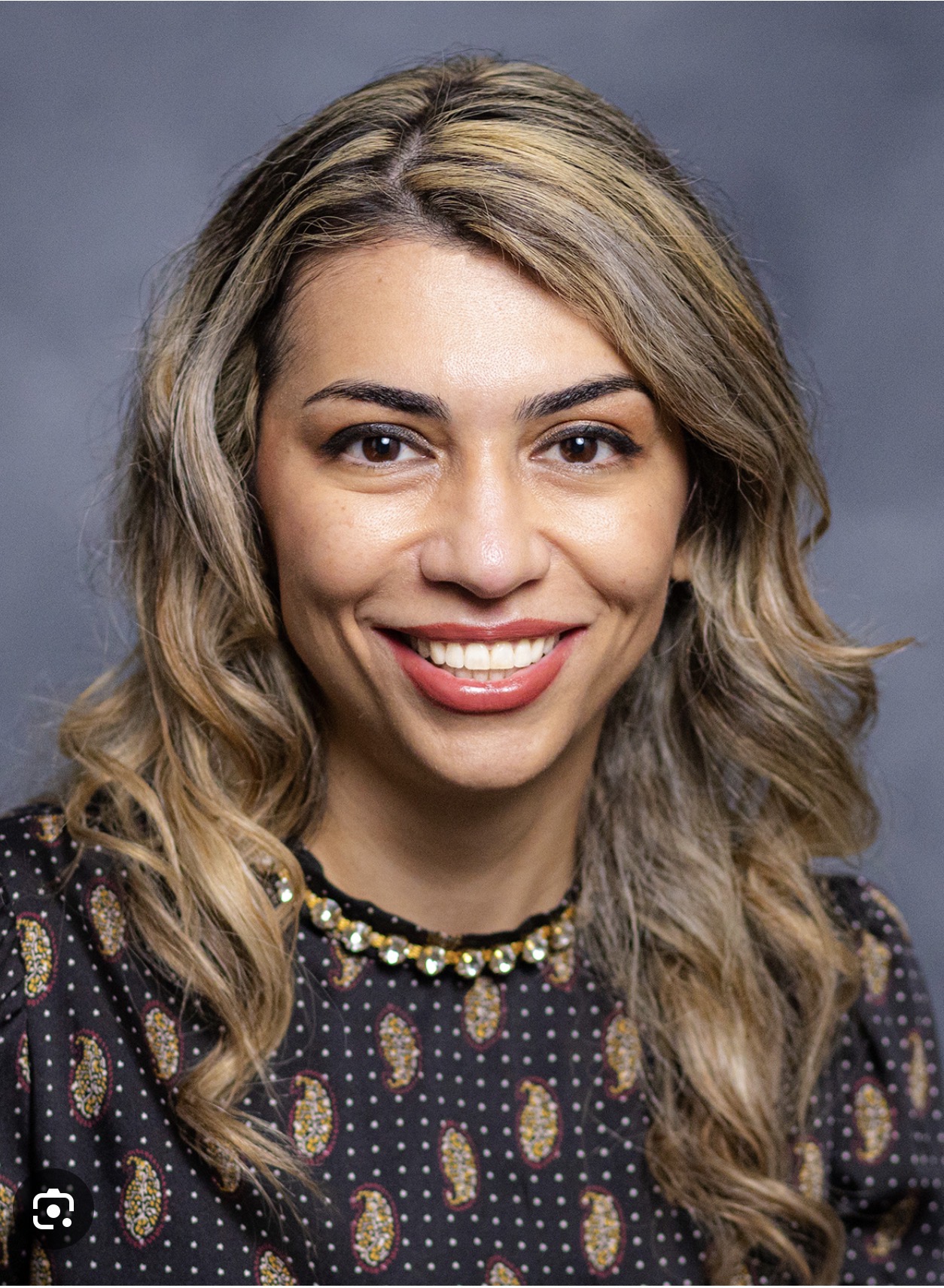
Dr. Sayna Norouzi
For Dr. Sayna Norouzi, glomerular disease clinical trials aren't a side project. They're part of how she practices medicine.
Dr. Norouzi is a clinical nephrologist and associate professor of medicine at Loma Linda University Medical Center, where she founded and directs the glomerular diseases clinics. She also directs the polycystic kidney disease clinic and serves as co-director of the online GlomCon Glomerular Diseases Fellowship Program, helping train around 100 national and international fellows each year.
But ask this glomerular disease specialist what she loves most about her work, and she'll tell you about her patients.
A Career Built Around Patients
Dr. Norouzi joined Loma Linda in 2020 after completing her nephrology fellowship at Baylor College of Medicine. Clinical research has been part of her career as a nephrologist since her days as an internal medicine resident. But stepping into the role of principal investigator in kidney disease research opened up a different kind of relationship with the work.
"It's been kind of nonstop," she said. "Sometimes it's 24/7 thinking about your patients, being involved with the medical team, going over blood work, urine tests, talking to patients sometimes a couple of times a day to keep them updated."
She doesn't see that pace as a burden. For the patients she serves, it's what good care looks like.
Why Dr. Sayna Norouzi Views Glomerular Disease Clinical Trials as Essential Care
The patients in Dr. Norouzi's clinic are often young. Many are facing rare glomerular disorders, such as IgA nephropathy (IgAN) and primary membranous nephropathy (PMN), that put them at risk for complications like dialysis or transplant down the road.
For this group, clinical trials are not a fallback. They're one of the most important rare kidney disease treatment options available.
"I think it's a fundamental part of providing comprehensive care to patients with rare kidney disease, because clinical trials are part of their treatment options," she said. "Having access to these clinical trials at a subspecialty center, it's something essential."
That access is what lets her walk into a room and offer something more than the standard playbook.
Kidney Clinical Trial Participation as a Two-Way Partnership
Dr. Norouzi is direct about what makes a clinical trial work, and it goes beyond the protocol. It's the partnership.
"You provide them with more options, with innovative medications, and they work with you really well," she said. "They follow up. They're really involved in their care."
That trust shows up most clearly when results go well. She lights up describing the moment a patient sees their numbers improve on a trial.
"I always call my coordinators and say, you have to look at this number, look at what we did as a team," she said. "The happiness in their eyes, the fact that they trusted the process and now they're responding, it's such a fantastic moment."
When Things Don't Go as Hoped
Not every trial ends in good news. With a placebo in clinical trials, some patients will not receive the study drug, while others may not respond to it. Those conversations, Dr. Norouzi said, are the ones that take real care.
"That's the true art as a trialist," she said. "I grab my chair, sit down, we go over lab results from the past few months, we go over options."
She gives her patients time. She walks them through the pros and cons of what's next. She shares her opinion when they ask for it. And she makes sure they know the door stays open.
What surprises her, again and again, is what happens after a setback. Patients who came off one trial sometimes come back to enroll in another.
"It shows they're really trusting me with the process," she said. "They feel like this is the best thing that can happen to them."
Patient Education as Advocacy
Outside the clinic, Dr. Norouzi has built a following on social media, where she translates complicated kidney disease information into something patients can actually use.
Her goal isn't to make decisions for patients. It's to give them enough information to ask better questions.
"They can bring in names and say, what do you think about this newly FDA-approved medication? What about this specific clinical trial that just released positive data?" she said. "The more detailed you ask questions, the better advocacy you have for yourself."
The Joy That Keeps Her Going
When Dr. Norouzi talks about her work, she keeps returning to one word: joy.
"I love what I do here," she said. "The responses of my patients, that's what keeps me passionate about this field."
For patients navigating rare kidney conditions, that dedication defines Dr. Sayna Norouzi's approach to glomerular disease clinical trials: not simply running research protocols, but walking alongside each patient as a compassionate partner.
Interested in learning about rare kidney studies? Visit PatientWing to learn more about primary membranous nephropathy clinical trials and other studies for glomerular diseases.
Frequently Asked Questions (FAQs)
Are clinical trials a good option for rare kidney disease?
For many patients, yes. Specialists like Dr. Norouzi see clinical trials as part of comprehensive care for rare kidney disease, since they can offer access to investigational therapies along with close monitoring by a dedicated care team. Every study has its own eligibility criteria, so talk with your nephrologist about whether a trial fits your situation.
How do I advocate for myself with kidney disease?
Track your lab results, research your diagnosis, and bring specific questions about new treatments or trials to appointments. Detailed questions lead to more informed care decisions. Check our guide on how to advocate for yourself in a clinical study.
Can you join another clinical trial after receiving a placebo?
Often, yes. Taking part in one study usually does not rule you out of future research, although some studies require a waiting period after a previous trial or have other eligibility requirements. Dr. Norouzi has seen patients come off one trial and later return to enroll in another. You can search active studies on PatientWing or ask our team for one-on-one guidance.
About Dr. Sayna NorouziInvestigator BioDr. Sayna Norouzi, MD, FASN, is an associate professor of medicine and clinical nephrologist at Loma Linda University Medical Center, where she is the founder and director of the Glomerular Diseases Clinics. She also serves as co-director of the online GlomCon Glomerular Diseases Fellowship Program and is a member of the Alpha Omega Alpha Honor Medical Society. Dr. Norouzi completed her nephrology fellowship at Baylor College of Medicine and serves as principal investigator on multiple clinical trials focused on glomerular and rare kidney diseases.
