
Hematologist Dr. Rafael Bejar on MDS Research & Patient Care
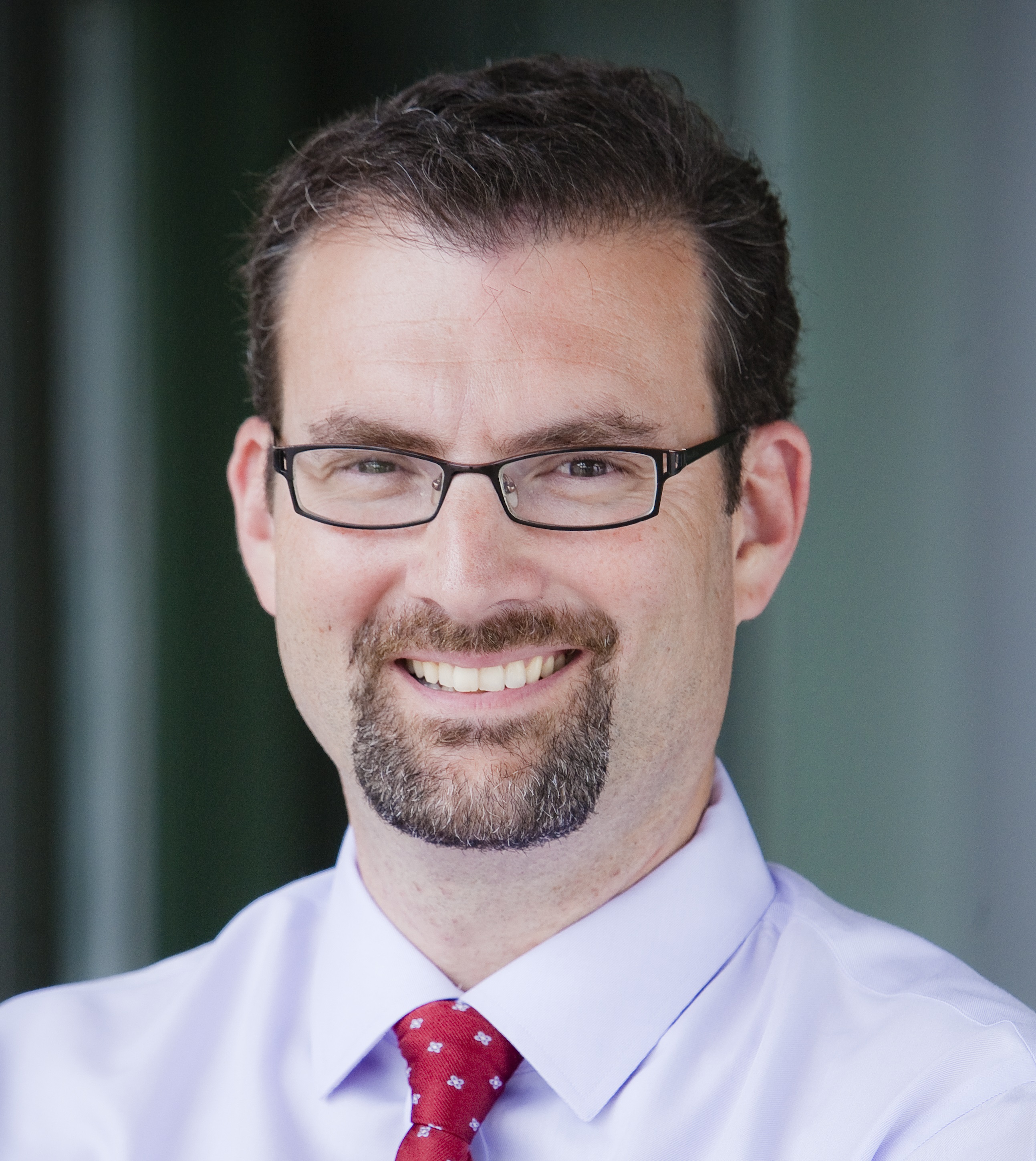
Dr. Rafael Bejar
Setting an Example for Excellence in MDS Treatment
Insights from hematologist Dr. Rafael Bejar on MDS research trace back to the earliest days of his medical career. During his second year of fellowship, he worked out of a lab conducting patient-facing research, where every discovery had the potential to directly impact clinical care. There, he collaborated with a colleague who maintained a massive collection of MDS patient samples.
“One of the things that was missing in the MDS world at the time was people doing studies on actual MDS patient samples. A lot of the work had been done on mouse models or cells in a petri dish, so it was less relatable to the actual disease,” he said. “So I started to work with this unique resource and we were able to make some headway: we started to understand the genetic underpinnings of myelodysplastic syndromes (MDS), what mutations people were acquiring as they developed the disease.”
Hematologist Dr. Rafael Bejar on MDS Research at UC San Diego Health
Fast forward fourteen years, and Dr. Bejar has continued to dedicate his career to advancing blood disorder care. Now in his tenth year at UC San Diego Health (UCSD), he has established an MDS Center of Excellence where he provides critical patient care every single day. Beyond his clinic, he has served as an advisor for designing clinical studies, worked with the MDS Foundation as a member of their scientific advisory board, and led numerous clinical trials.
“Hematology is this area where a tiny genetic mutation in one cell could lead to this entire disorder; and if we really could understand that at a very basic level, we could prevent and treat these conditions much better,” he said. “We’re also able to access the cells themselves. This isn’t a tumor that’s deep in the body. Instead, we can get living cells out of the bloodstream or out of the bone marrow and examine them.”
Building an MDS Center of Excellence on Four Pillars
To establish the UCSD Moores Cancer Center as an MDS Center of Excellence, Dr. Bejar ensured the program was built on four critical pillars: research, clinical trials, transplant, and hematopathology, all housed in one central, physical location.
In practice, he has found that this integrated designation allows the Moores Cancer Center team to collaborate closely with outside practitioners, ensuring patients receive seamless care at both the diagnosis and treatment stages.
Community Advocacy, Bilingual Outreach, and Patient-Reported Outcomes
Dr. Bejar also prioritizes partnerships with patient advocacy groups, MDS support groups, and organizations like the MDS Foundation and the Leukemia and Lymphoma Society. At every corner, he works to make medical information as accessible as possible, including leveraging his bilingual skills to lead educational sessions in Spanish.
This commitment to patient care, and embracing every patient’s uniqueness, remains at the root of all his work.
“I think one of the dangers with having more technology is that we kind of forget about the patient. It’s very easy to just look at the blood counts and the bone marrow results and jump to what you need to do next,” he said. “But now, the hematology field is incorporating more patient-reported outcomes in our clinical trials, so the subjective experiences of the patients are coming through in the results of each study. We’re thankfully in a very different place with MDS today than we were fifteen years ago.”
One of the things that was missing in the MDS world at the time was people doing studies on actual MDS patient samples. A lot of the work had been done on mouse models or cells in a petri dish, so it was less relatable to the actual disease.
– Dr. Rafael Bejar
About Dr. Rafael BejarInvestigator BioDr. Rafael Bejar is board certified in internal medicine, medical oncology, and hematology. He specializes in the care of patients with MDS and related blood disorders. In addition to caring for patients, he researches disease features in order to personalize the care of patients with MDS. His work has transformed the predicted prognosis process and helped develop multiple therapies for MDS patients.

