From Cactus Barb to CAR T-Cell Therapy:
Lindsay Guentzel’s Journey with Dermatomyositis
Lindsay Guentzel went from being in peak physical condition to completely disabled within weeks after a 2023 hiking trip in Arizona triggered her undiagnosed autoimmune disease. Diagnosed with dermatomyositis associated with anti-synthetase syndrome and Sjögren's disease, she experienced a devastating decline that left her unable to perform basic activities like standing from a chair or washing her hair. After relentlessly pursuing experimental treatment options, Lindsay became one of the first autoimmune patients in the United States to receive CAR T-cell therapy through a clinical trial and is now in remission. She uses her background as a multimedia journalist to advocate for rare disease research funding, healthcare policy reform, and patient access to innovative treatments while supporting others in the chronic illness community through her social media platforms.
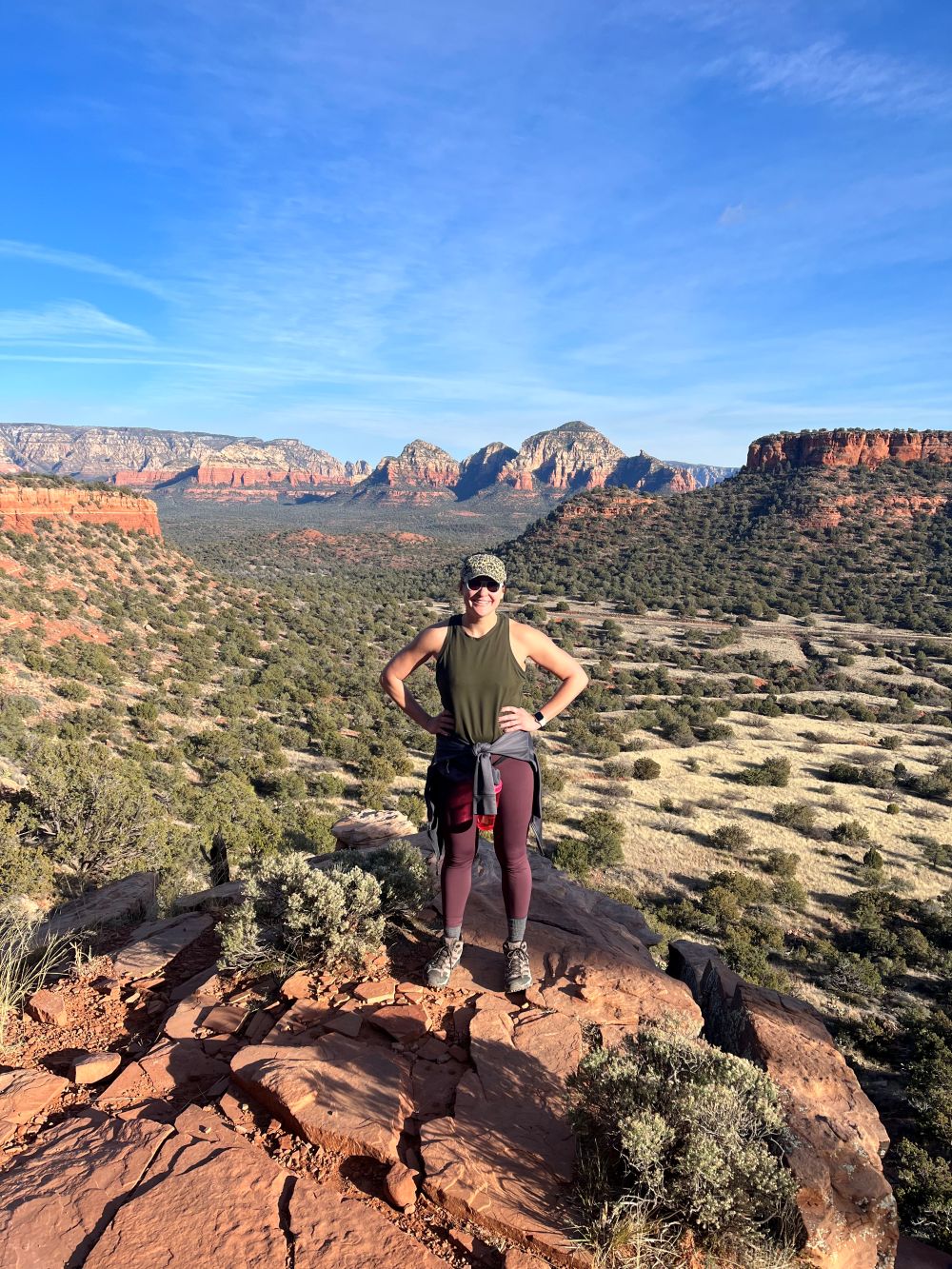
Lindsay Guentzel went from being in the best shape of her life to unable to lift her legs into a car; all within a matter of weeks. What started as an innocent hike in Arizona set off a chain of events that would completely transform her life, her career, and her perspective on what truly matters.
"I truly, truly believe that had I not been diagnosed with ADHD in 2021, I would not have survived the last few years because the executive function that it takes to be somebody that's chronically ill in the United States is astounding," Lindsay said. Since her symptoms first appeared, she's had more than 450 doctor's appointments in less than three years, averaging 10 to 15 appointments per month.
The Cactus Incident
Before getting sick, Lindsay was a multimedia journalist living in Minneapolis. She'd worked in radio, hosted drive-time programs, produced content for Minnesota Public Radio, and hosted her own podcast about ADHD. Life was busy, what she now calls "controlled chaos"—but she was thriving.
In January 2023, Lindsay and her partner John took a trip to Arizona. They tackled Bear Mountain, one of the most difficult hikes in the area. On the way down, Lindsay's jacket—tied around her waist—picked up several large cactus barbs that pressed into the back of her leg without her noticing.
The next morning, she woke up and her face was unrecognizable. Swollen beyond belief. But instead of rushing to the emergency room, she grabbed coffee, sat in the hot tub, and picked up some sinus medication at Whole Foods. A pharmacy worker told her she was probably just reacting to something blooming in the Arizona air.
"In that moment, I didn't panic," Lindsay recalled. "And that's the part that I think is so interesting."
By evening, she felt like she'd been hit by a bus. A friend from college who happened to be an emergency room doctor saw her Instagram post about the swelling and sent an urgent message: Get to the ER immediately. That's an infection.
Lindsay was diagnosed with cellulitis and sent home with antibiotics. She thought that would be the end of it.
When Everything Changed
Back in Minnesota, things only got worse. Her leg swelled so dramatically that she could only fit into one pair of pants. But what Lindsay didn't know at the time was that the infection was merely fuel to an already burning fire—her body had been showing signs of autoimmune disease that she'd dismissed as normal life.
"I had been dealing with really puffy eyes for months," she said. "My sister's an aesthetician and I would text her all the time being like, what is happening? And she'd just say, cut out the wine, here's some eye cream."
Within 30 appointments over two months, Lindsay received a diagnosis that would change everything: dermatomyositis associated with anti-synthetase syndrome, along with Sjögren's disease.
"The fact that I was diagnosed in two months is a miracle in itself," she said. "The stories that I hear from people in the rare disease community—it's alarming."
A dermatology resident at the teaching facility where she was being treated went to bat for her behind the scenes, connecting symptoms that seemed unrelated: elevated liver enzymes, rashes, and eventually interstitial lung disease discovered at the bottom of her lungs during a CT scan. Her myositis panel confirmed it—she was positive for the anti-Jo1 antibody, linked to dermatomyositis and antisynthetase syndrome.
The Devastating Decline
At first, treatment seemed to be working. For about five months, Lindsay felt like she was getting back to herself. Then her medical team added a new medication—mycophenolate (Cellcept)—commonly used in the autoimmune community.
What followed was a nightmare. Unbeknownst to anyone, Lindsay was having an extremely rare allergic reaction to the medication. There was only one documented case of this reaction in rheumatology literature.
"My partner had to quit his job and stay home with me because I couldn't be left alone," Lindsay said. "I couldn't stand up from a chair by myself. I couldn't get in and out of bed by myself. If I were lying down, I couldn't move my arms. I couldn't turn to the side. I couldn't adjust my pillow."
She described nights when she'd try to get off the couch after John had gone to bed, only to slide onto the floor, unable to get up. She'd call to their dog to go get help—and eventually yell loud enough for John to hear. He would have to deadlift her off the ground.
"I couldn't shower alone, not just because I couldn't get my leg over the threshold of the tub, but I couldn't even put enough pressure on the loofah to scrub my body or move my hands to wash my hair."
Finding Answers—and Hope
It took Lindsay finding an obscure black box warning from New Zealand to finally identify what was happening. She brought it to her rheumatologist, who listened; something she considers crucial to her survival.
"He did exactly what a professional should do in that situation. He listened to me," she said. "He looked at it, did a little more research, and goes, 'You're spot on.' I was having what's called paradoxical acute inflammatory syndrome."
With that mystery solved, Lindsay began researching more aggressive treatment options. She learned about CAR T-cell therapy trials happening in Europe for autoimmune diseases and started asking her doctors when it might be available in the United States.
In September 2024, she attended a myositis conference where a pharmaceutical company was recruiting for a trial. The very next day, she sat down and applied to every trial site she could find.
"I hounded that clinical trial site coordinator every day for seven months until I got my screening trip planned," she said. "I did that because the life that I had before I got sick was one that I really loved, and I would do anything to get back there."
A New Chapter
In March 2025, exactly two years to the day after receiving her dermatomyositis diagnosis—Lindsay underwent her T-cell retrieval for the trial. In April, after three rounds of chemotherapy, she received her CAR T-cell transplant.
Seven months later, a rheumatologist wrote in her clinical notes that her dermatomyositis symptoms were in remission.
"I have normal CK levels right now for the first time since I got sick," Lindsay said. "I'm seeing things like my strength getting better at the gym. I can lift heavier weights. My endurance is starting to get better. I'm starting to have more good days than bad."
But Lindsay approaches her remission with pragmatic optimism. CAR T-cell therapy was only FDA-approved in 2017, and there isn't even ten years of data on how long it might last for autoimmune conditions.
"While I'm over the moon that my body is doing what it's doing right now, I also know what this disease can do to my body," she said. "I have no guarantees that this is going to work forever. But it's practical—it's something you do have to think about."
Using Her Voice for Good
Lindsay's career as a multimedia journalist prepared her well for a new role: patient advocate. From the beginning of her illness, she shared her story on social media, initially hoping someone might recognize her symptoms and help diagnose her.
"Sharing that and putting myself out there, it opened up so many opportunities," she said. She's spoken at the last two Myositis Association conferences, been invited to speak at NIH's Rare Disease Day, and met with Minnesota legislators on Capitol Hill about rare disease issues.
She's also become passionate about healthcare policy, working with organizations like the Infusion Access Foundation to understand issues like co-pay accumulator programs and formulary lists—things she'd never heard of until they affected her daily life.
"One of my major concerns is the cuts that we have been seeing to research, to clinical trials, to funding," Lindsay said. "The problem is that the majority of people will not care about them until it affects them. And when it affects them, it'll be too late."
Perspective and Gratitude
Despite everything she's been through, Lindsay maintains a remarkable perspective. She talks about her illness as "the healthiest dose of perspective ever"—a wake-up call that forced her to reconsider what really matters.
"I always say that I hope people get what I got, which is this wake-up call, as early as possible in a much less dramatic fashion," she said. "I went from being healthy one day to sick the next. It's the wake-up call that so many of us don't get."
She's learned she's stronger and more capable than she ever gave herself credit for. And for someone who was chronically late before her ADHD diagnosis, she's proud that her missed appointment rate over the past few years is just 2%.
"Everyone always says, 'I could never have done what you did,'" Lindsay said. "And what I always say is: You never know what you are capable of or what you're willing to do until you're in that situation."
Looking forward, Lindsay plans to continue using her journalism skills and her hard-won knowledge to advocate for the rare disease and chronic illness communities. She may not have asked for this life, but she's determined to make something meaningful out of it.
"I don't think it happened for a reason," she said, "but I'm being given this opportunity to do something with it—and I think it would be a huge waste for me not to use it."
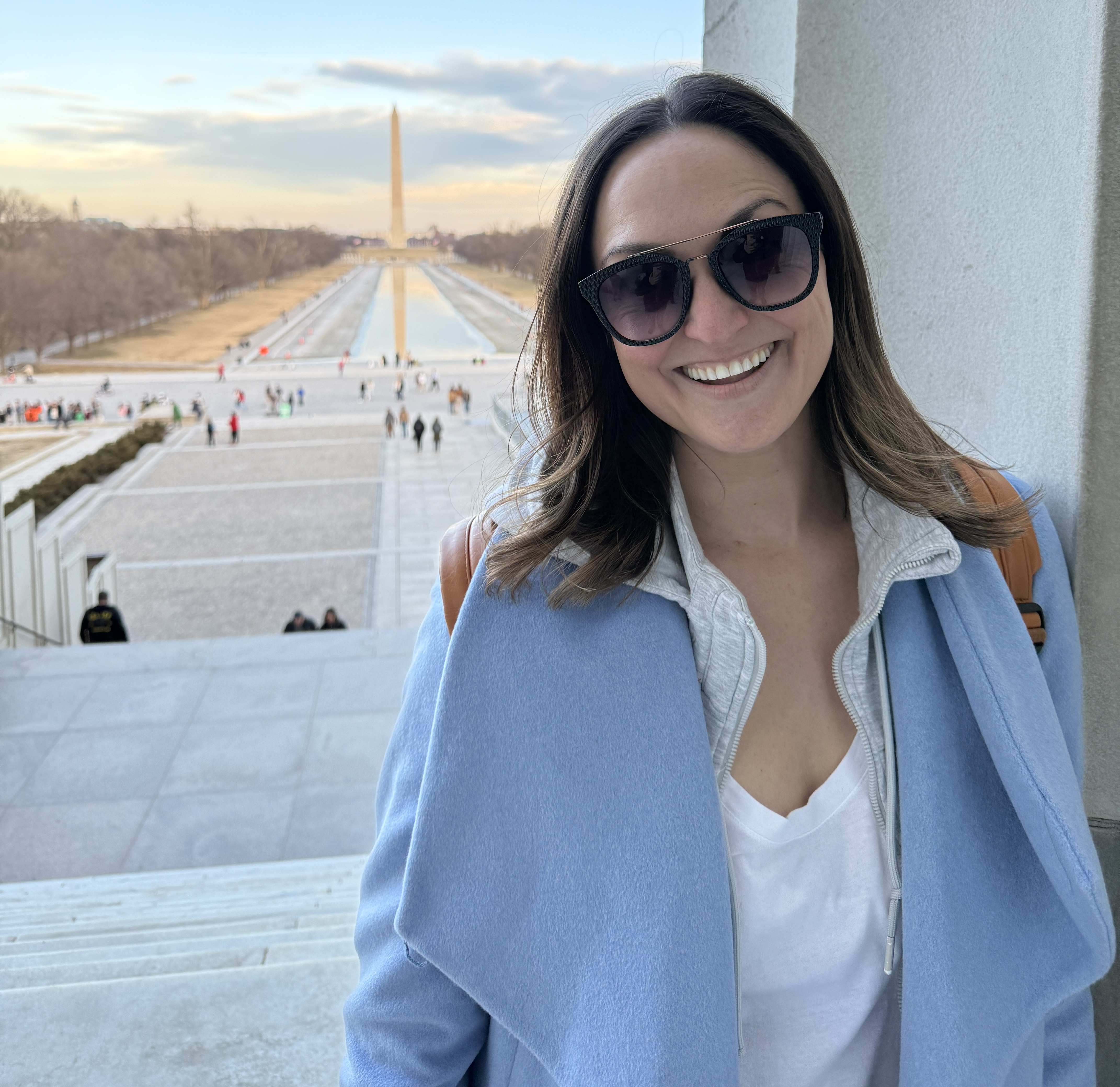 About Lindsay GuentzelLindsay Guentzel is a patient advocate, multimedia journalist, and one of the first autoimmune patients in the United States to receive CAR T-cell therapy through a clinical trial. Based in Minneapolis, she uses her platform to raise awareness about dermatomyositis, rare diseases, and the importance of research funding. Lindsay continues to share her journey on social media, connecting with and supporting others in the chronic illness community.View Instagram Profile
Related Resources
Curated stories, expert voices, and research all connected to this condition.

