
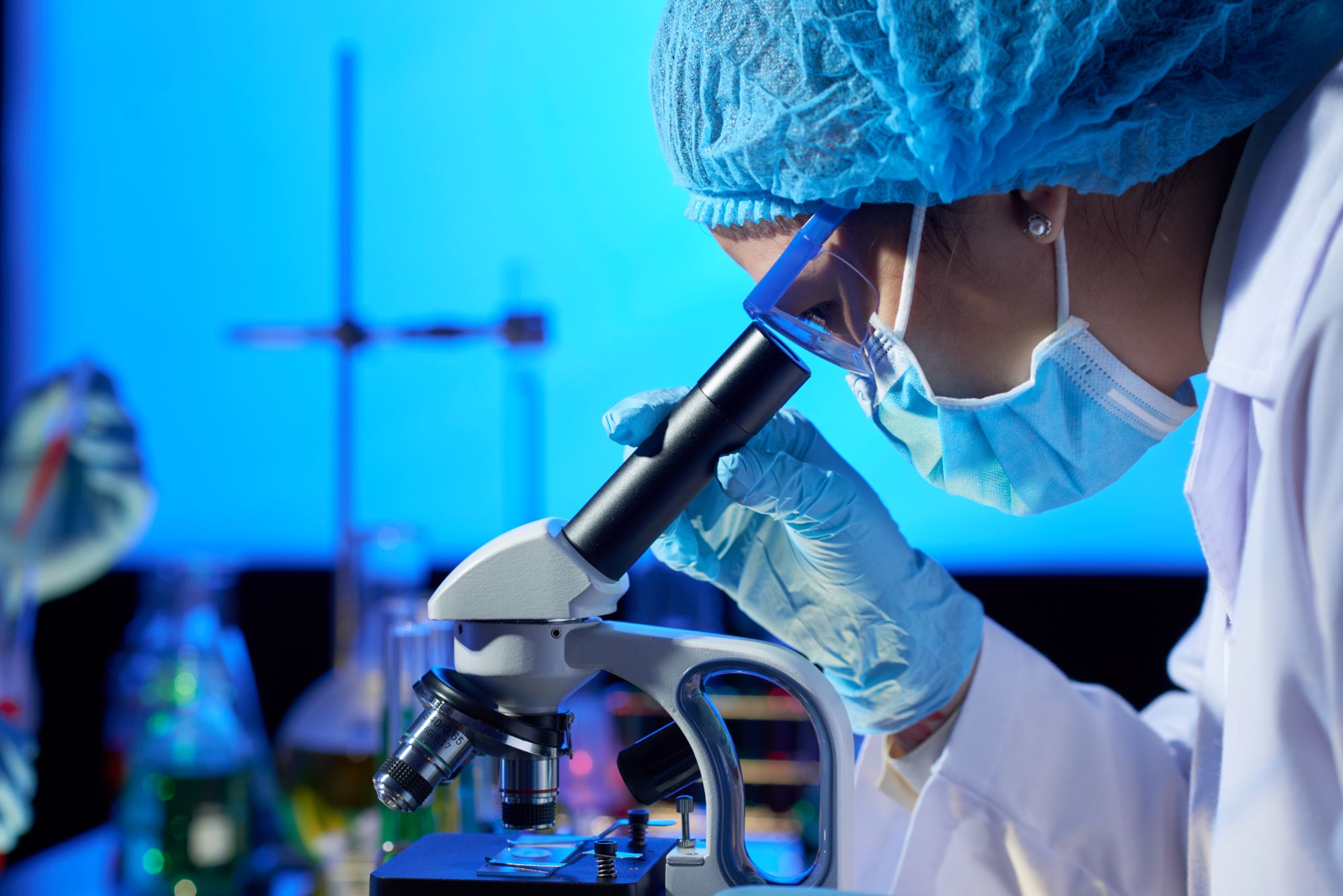
Each week brings new discoveries that change what's possible in medicine. This week, we're looking at a blood test that could detect Alzheimer's disease years before a person ever feels any symptoms, new science on what caffeine actually does to your memory when you're sleep deprived, an important update on aspirin and colorectal cancer risk, and a fascinating look at the biology behind the placebo effect. Here's what researchers found.
Right now, the earliest sign of Alzheimer's is usually a PET scan. This brain imaging test can detect harmful protein buildup 10 to 20 years before symptoms appear. But new research from Mass General Brigham suggests we may be able to catch those warning signs even earlier.
The key is a blood marker called pTau217. Researchers followed 317 healthy adults over eight years. They found that high levels of this protein were linked to future buildup of amyloid-beta and tau. These are the proteins most closely associated with Alzheimer's disease. Even more striking, pTau217 levels rose before anything abnormal showed up on brain scans.
In simple terms, a blood test may detect Alzheimer's risk before a brain scan can.
People with low pTau217 levels were likely to stay amyloid-negative for several more years. This gives researchers a way to identify not just who may be at risk, but who probably is not.
This test is not available at your doctor's office yet. More research is needed to refine the models and test them in larger, more diverse groups. Researchers are also clear that protein buildup does not always lead to dementia. Even so, the direction is hopeful. By catching changes in the blood before they appear in the brain, science may be getting closer to real early intervention.
📰 Read more: ScienceAlert / Nature Communications, April 2026
Most of us know coffee helps us feel alert after a bad night's sleep. But researchers at the National University of Singapore found that caffeine may do something far more targeted.
The study was published in the journal Neuropsychopharmacology. It focused on a small brain region called the hippocampal CA2. This area plays an important role in social memory, our ability to recognize and remember familiar people. It is also closely tied to the brain's sleep and wake cycle. That makes it especially vulnerable to sleep deprivation.
Researchers gave mice five hours of sleep loss. The results were specific and measurable. A process called synaptic plasticity was disrupted in the CA2 region. This is the brain's ability to strengthen connections between nerve cells. The mice also showed clear deficits in social memory. Sleep loss did not just make them tired. It selectively weakened a specific memory circuit.
Here is where it gets interesting. When caffeine was given before sleep deprivation, it reversed the damage. The disrupted circuit recovered. Synaptic communication returned to normal. Social memory deficits were reversed. Even more striking, this effect was pathway-specific. Caffeine did not broadly increase brain activity. It targeted the damaged circuit without overstimulating well-rested brains.
Researchers believe caffeine works by blocking a chemical called adenosine. Adenosine builds up during wakefulness and slows brain activity down. By blocking it, caffeine appears to protect and restore the memory circuits that sleep loss damages.
This is still mouse research. More work is needed before we know how it applies to humans. Even so, it opens a new way of understanding what caffeine does.
It also points toward future treatments for sleep-related memory decline and why clinical research matters for conditions we are only beginning to understand
📰 Read more: NUS Medicine / Neuropsychopharmacology, March 2026
For years, many hoped that a daily low-dose aspirin could reduce colorectal cancer risk. A major new analysis has largely put that hope to rest. It reviewed 10 randomized controlled trials covering more than 120,000 participants.
Researchers found that daily aspirin probably makes little to no difference in colorectal cancer risk. This was true during the first 15 years of use. They were also not confident in any protective effect over the longer term. On top of that, aspirin may increase the risk of serious bleeding. This includes bleeding in and around the brain.
That said, aspirin is not without value for everyone. There is specific evidence it may help reduce cancer risk for people with Lynch syndrome. It may also help those with a history of adenomatous polyps. However, for the general population, daily aspirin is not well supported by current evidence. And the bleeding risks are real.
The good news is that other habits do lower colorectal cancer risk. These are backed by strong evidence. Experts recommend eating plenty of plants and fiber. They also suggest limiting red and processed meat. Cutting back on alcohol, avoiding tobacco, and maintaining a healthy weight all help too. Daily exercise and staying current on screening are also important.
Colonoscopy remains the gold standard for detecting and preventing colorectal cancer. Other screening options, like Cologuard, are also available.
The bottom line is simple. Talk to your doctor before starting any aspirin regimen. Then lean on the lifestyle and screening tools that have the clearest evidence behind them.
📰 Read more: Healthline / Cochrane Database of Systematic Reviews, April 2026
You have probably heard that the placebo effect is all in your head. But decades of research show it is anything but. A new essay from an evolutionary medicine researcher makes a compelling case. The placebo effect may be one of the most underappreciated forces in human health.
Placebo treatments can trigger real biological responses. This includes sugar pills, saline injections, and even sham surgeries. In pain studies, placebos cause the brain to release endorphins. In Parkinson's research, placebo injections have increased dopamine activity. In several well-documented knee surgery trials, patients who received sham operations improved almost as much as those who had real procedures. Something real is happening inside the body.
What makes this especially fascinating is what activates the response. Pills prescribed by doctors in white coats work better than the same pills handed over informally. Expensive pills outperform cheap ones. Injections produce stronger responses than tablets. Even when patients are told they are receiving a placebo, many still improve. The ritual of care itself sends a signal to the body.
The researcher's argument is straightforward. The placebo effect is not a flaw in our biology. It is a feature. Human physiology evolved to take cues from trusted others. It reads social signals that say this environment is safe, and healing can begin. The doctor, the white coat, the clinical setting, and the careful explanation. They may be doing real biological work.
There is a striking conclusion here. People carry one of the most powerful healing systems ever documented inside them. Yet they can access it reliably only when someone in a position of authority gives them permission.
For patients navigating the healthcare system, that idea has real weight. Read how real patients experience clinical research on our patient stories page
📰 Read more: The Conversation, April 2026
This week's research moved from the molecular to the deeply human. From caffeine and memory circuits to the trust between a patient and a doctor. Each story asks the same question. What does it actually take to keep people well? The answers are always more interesting than they first appear.
At PatientWing, we believe every patient deserves access to the latest in medical research. If you or someone you know is looking for a clinical study, get in touch.
Come back next week for another edition of The Weekly Wing.
